Scrap Tires and Tire-Derived Fuel
- Tire-derived fuels are used in energy-intensive industries as source of renewable energy
- Biogenic carbon fraction of TDF is measured via ASTM D6866
- ASTM D6866 world leader Beta Analytic helps TDF users comply with regulations by providing certification of their fuels’ biomass content
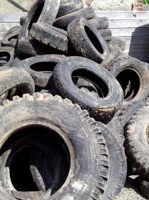 Their high heating value makes scrap tires a good alternative fuel for industries with energy-intensive processes, e.g. cement plants, electricity-generating facilities, and pulp and paper mills. Tires, when burned, produce the same amount of energy as oil, 25-50% more energy than coal, and 100-200% more energy than wood, according to the U.S. Environmental Protection Agency.
Scrap tires had been used as supplement fuel to coal and wood. Over the years, more and more combustion facilities use scrap tires not only because of their high energy content but also because they are cheaper than coal, produce cleaner emissions, and have low moisture content. The U.S. EPA testing has shown that (a) tire ash residues contain lesser heavy metals than some coals, and (b) tire combustion results in less NOx emissions compared to burning high-sulfur coal.
The U.S. EPA favors the waste-to-energy approach on scrap tires rather than landfill disposal. Tire piles are unfavorable due to fire risks and for health reasons (rats, mosquitoes, and other disease-causing organisms thrive in tire piles).
Millions of scrap tires are generated each year in the U.S., a good portion of which are either recycled into new products, used in civil engineering applications, or reused as tire-derived fuels (TDF). The U.S. EPA recognizes TDF as a viable alternative to fossil fuels based on the agency’s more than 15 years of experience with more than 80 facilities.
Depending on the size of their combustion units, facilities use whole tires or their shredded form called tire-derived fuel.
Biomass Fraction of Scrap Tires
Depending on size, scrap tires can be up to 30% biomass as measured by ASTM D6866. According to a study by French company Aliapur, used passenger car tires have biomass fractions between 17% to 20% while used truck tires are between 28% to 30% biomass. The biomass components of tires include natural rubber, rayon, and stearic acid.
| Parameter | Used Passenger Car Tires | Used Truck Tires | Coal | Petroleum Coke |
| Biomass | 17-20.3% (ave. 18.3%) | 28.6-29.7% (29.1 %) | 0% | 0% |
| Carbon | 67.5 – 70.1% (ave. 69.0%) | 59.7-62.6% (61.1%) | 64-68% | 84-97% |
| NCV (MJ/kg) | 29.5 – 30.6 (ave. 30.2) | 26.1 – 26.7 (26.4) | 26 | 32 |
Table 1 – Select values from the Aliapur Study.
Due to their significant biomass fractions, combusted scrap tires and tire-derived fuel produce lesser fossil carbon dioxide emissions compared to coal and petroleum coke. Thus, scrap tires make good alternative fuels. They are cheaper and emit less fossil CO2, but their heat output is similar to traditional fuels.
ASTM D6866 for TDF Emissions Testing
Several regulatory bodies, including the U.S. EPA and the Western Climate Initiative, require cement plants, electric utilities, and other facilities that combust heterogeneous or waste-derived fuels like TDF to determine the biogenic carbon fraction of their CO2 emissions. These agencies recommend the use of ASTM D6866 for such determination.
Industries burning TDF and other waste-derived fuels need to report their greenhouse gas inventories, which exclude carbon-neutral CO2. Knowing the biomass fraction of their emissions through ASTM D6866 would help them reduce their GHG inventories and obtain carbon credits when cap-and-trade systems are in place.
What are Tire-Derived Fuels?
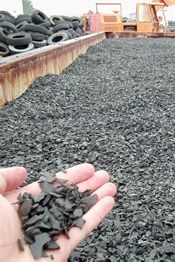 Tire-derived fuels are scrap tires that have been shredded into pieces typically between one and two inches. The shredding process does not only involve size reduction but also removal of fabric and metal wires, with the latter requiring use of powerful magnets. Due to these processes, TDFs are not as cost-effective as whole tires but are still in demand because not all combustion units can accommodate the size of a whole tire.
Some cement plants use whole tires in their kilns because their combustion units are large enough and the metal wires add iron necessary in making clinker. Paper and pulp mills, on the other hand, need to use de-wired TDF so as not to clog their boiler feed systems or introduce iron to ash that are sold to farmers.
TDF comes in several grades with wire-free TDF up to 50% more expensive than regular TDF.
Industries Using TDF
Cement
The cement industry uses more scrap tire fuels than any other industry. According to U.S. EPA records, about 53 million tires are used in US cement kilns per year. And as of
2006, state and local environmental agencies have approved the use of TDF at 48 cement plants in 21 states.
Cement plants use tires as fuels in making clinker, a primary component in making Portland cement.
Pulp and Paper
The pulp and paper industry uses roughly 26 million tires per year as boiler fuel. Pulp and paper mills use TDF instead of whole tires because metal wires can clog their feed systems.
Electric Utilities
Boilers of electric utilities use around 24 million tires annually. These boilers combust coal to generate electricity. Due to the high heating value and lower cost of TDF, electricity-generating facilities now use TDF to supplement coal.
Industrial or Institutional Boilers
Industrial boilers, which are typically smaller than electric utility boilers, also use TDF as supplement to their mixed fuels. About 17 million tires are used in industrial boilers per year.
Other Alternative Fuels
Beta Analytic Offers ASTM D6866 to TDF Users
Located in Miami, Florida, Beta Analytic caters to the needs of tire-derived fuel users by providing the percentage of biogenic carbon, which can be used for various regulatory applications, marketing, and biomass content calculation. ASTM D6866 testing can be done either on the TDF or its combustion emissions. Beta Analytic sampling requirements for solids or gases are found here.