What is Carbon-Neutral CO2?
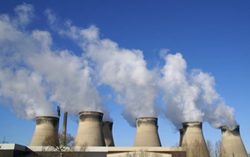
Carbon dioxide emissions are said to be carbon neutral if they are combustion products of biomass or biobased materials. Carbon-neutral CO2 has zero carbon footprint because it has no net effect on the biosphere’s carbon concentration. Biomass, when combusted, releases carbon dioxide which in turn is readily absorbed by plants—the source of biomass. Through this cycle, plants remove carbon from the atmosphere, and carbon is released back to the atmosphere when plants are burned. This balance makes biomass-derived carbon neutral.
Carbon-Neutral Biomass
The Official Journal of the European Union has listed different types of materials that are considered biomass for the application of its guidelines for the monitoring and reporting of greenhouse gas emissions pursuant to Directive 2003/87/EC of the European Commission. Peat and fossil fractions of the materials listed below are not considered biomass. Unless a contamination with other materials or fuels is apparent based on visual or olfactory evidence, no analytical procedure needs to be applied to demonstrate the purity of members of Group 1 and 2 below, according to the Official Journal of the European Union.
Group 1 — Plants and parts of plants:
- straw
- hay and grass
- leaves, wood, roots, stumps, bark
- crops, e.g. maize and triticale
Group 2 — Biomass wastes, products and by-products:
- industrial waste wood (waste wood from woodworking and wood-processing operations and waste wood from operations in the wood materials industry)
- used wood (used products made from wood) and products and by-products from wood-processing operations
- wood-based waste from the pulp and paper industries, e.g. black liquor (with only biomass carbon)
- crude tall oil, tall oil and pitch oil from the production of pulp
- forestry residues
- lignin from the processing of plants containing ligno-celluose
- animal, fish and food meal, fat, oil and tallow
- primary residues from food and beverage production
- manure
- agricultural plant residues
- sewage sludge
- biogas produced by digestion, fermentation or gasification of biomass
- harbour sludge and other waterbody sludges and sediments
- landfill gas
- charcoal
- natural rubber or latex
Group 3 — Biomass fractions of mixed materials:
- the biomass fraction of flotsam from water body management
- the biomass fraction of mixed residues from food and beverage production
- the biomass fraction of composites containing wood
- the biomass fraction of textile wastes
- the biomass fraction of paper, cardboard, pasteboard
- the biomass fraction of municipal and industrial waste
- the biomass fraction of black liquor containing fossil carbon
- the biomass fraction of processed municipal and industrial wastes
- the biomass fraction of ethyl-tertiary-butyl-ether (ETBE)
- the biomass fraction of butanol
- the biomass fraction of waste tyres resulting from natural rubber and fibres
Group 4 — Fuels whose components and intermediate products have all been produced from biomass:
- bioethanol
- biodiesel
- etherised bioethanol
- biomethanol
- biodimethylether
- bio-oil (a pyrolysis oil fuel) and bio-gas
- hydro-treated vegetable oil (HVO)
Page last updated: August 2023